
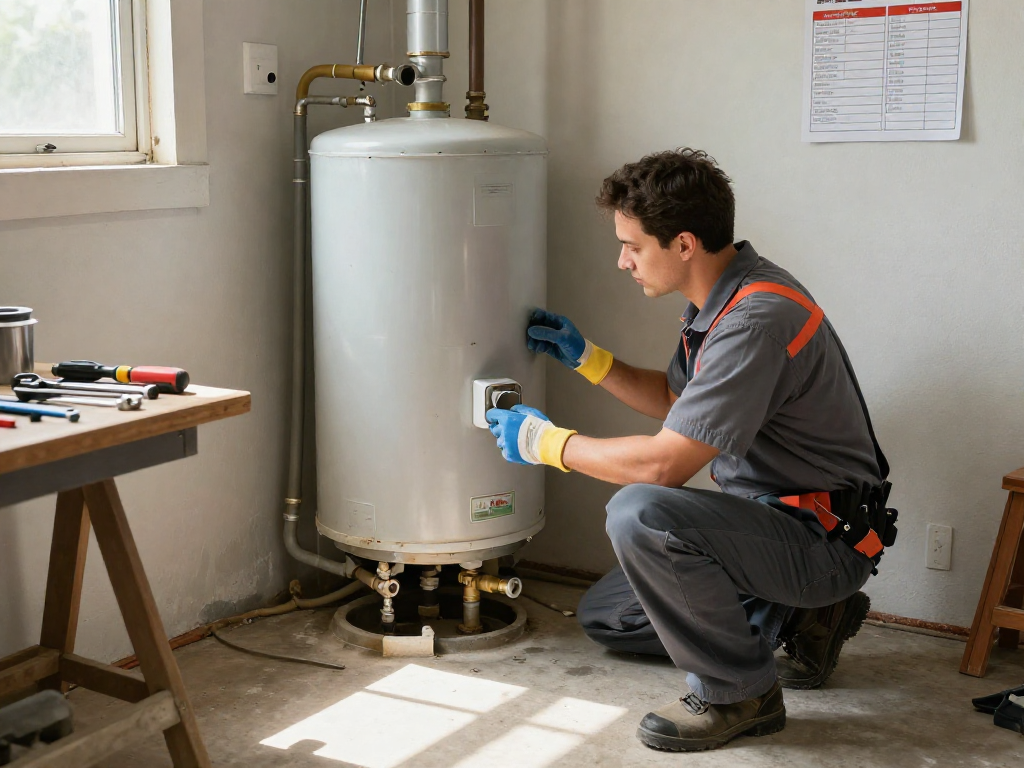
Understanding Water Heater Replacement in Fort Worth
Replacing a water heater can be one of the most important decisions a homeowner in Fort Worth can make. With the right information and support, you can ensure your home has a reliable supply of hot water while also enhancing energy efficiency. Whether your unit is failing or you're looking to upgrade to a more efficient model, knowing when and how to replace a water heater is crucial. When exploring options, water heater replacement Fort Worth provides comprehensive insights into the best practices and services available for local homeowners.
What is Water Heater Replacement?
Water heater replacement involves removing an old or malfunctioning unit and installing a new one. This process requires careful consideration, as the right replacement choice can significantly affect your home's energy consumption and overall comfort. There are various types of water heaters available, including traditional tank models and modern tankless systems, each offering distinct benefits.
Signs You Need a Replacement
- Age: Water heaters typically have a lifespan of 8 to 12 years. If yours is nearing this age, it may be time for a replacement.
- Rusty Water: If your hot water has a rusty color, this could indicate internal corrosion.
- Leaking: Any signs of leaks around the base of the water heater are a red flag.
- Insufficient Hot Water: If you frequently run out of hot water, it may be time for a new heater.
- Noisy Operation: Unusual noises, such as popping or rumbling, can suggest sediment buildup or a failing heating element.
Cost Considerations for Replacement
The cost of water heater replacement can vary significantly based on several factors, including the type and model of the heater, labor costs, and any additional installation requirements. Generally, traditional tank water heaters are less expensive upfront, but tankless models can lead to long-term savings on energy bills. On average, homeowners can expect to pay between $800 to $3,000 for a complete replacement, including both the unit and installation.
Choosing the Right Water Heater for Your Home
Types of Water Heaters Available
When selecting a new water heater, homeowners in Fort Worth have several options:
- Traditional Tank Water Heaters: These units store hot water in a tank, typically ranging from 30 to 80 gallons.
- Tankless Water Heaters: Also known as on-demand heaters, they heat water directly without the use of a storage tank, offering endless hot water.
- Heat Pump Water Heaters: These energy-efficient units use electricity to transfer heat from the air or ground to heat water.
- Solar Water Heaters: Utilizing renewable energy, these systems can drastically reduce energy costs.
Energy Efficiency Ratings Explained
Energy efficiency is a critical consideration for water heaters. Look for units that feature the Energy Star label, indicating they meet strict energy efficiency guidelines set by the Environmental Protection Agency (EPA). Key metrics include:
- Energy Factor (EF): A measure of the water heater's overall efficiency. The higher the EF, the more efficient the unit.
- Annual Operating Cost: Estimations of how much it will cost to run the heater annually based on average usage.
Size and Capacity Requirements
Choosing the right size for your water heater is essential to meet your family's hot water demands. Factors to consider include:
- Household size: Families with more members will generally need larger tanks or higher-capacity tankless models.
- Peak usage: Consider your highest demand times, such as morning showers or laundry loads.
The Replacement Process: What to Expect
Step-by-Step Replacement Guide
The water heater replacement process typically involves the following steps:
- Assessment: A professional will evaluate your current system and discuss your options.
- Selection: Choose the best model for your needs based on capacity and efficiency ratings.
- Preparation: The technician will ensure the area is clear and safe for the installation process.
- Installation: The old unit is removed, and the new one is installed according to local building codes.
- Testing: After installation, the new unit is thoroughly tested to ensure it operates correctly.
Preparation and Scheduling
Before the replacement, homeowners should prepare by clearing the area around the old water heater and ensuring easy access for the installation team. Scheduling should be done as soon as possible, especially if the current unit is leaking or malfunctioning.
Post-Replacement Maintenance Tips
To prolong the life of your new water heater, consider the following maintenance tips:
- Regularly flush the tank to remove sediment buildup.
- Check the anode rod annually and replace it as needed.
- Inspect the temperature and pressure relief valve for proper operation.
Common Myths About Water Heater Replacement
Debunking Misconceptions
There are many myths surrounding water heater replacement that can mislead homeowners. Some common misconceptions include:
- Myth: Water heaters can last forever if maintained. Fact: Most water heaters have a finite lifespan, and replacement is inevitable.
- Myth: Bigger is always better. Fact: An oversized unit can lead to increased energy bills.
Understanding Warranty Limitations
Many homeowners are unaware that warranties on water heaters usually only cover specific parts and labor. Understanding these limitations is crucial to prevent unexpected costs down the line.
Frequency of Replacement Insights
Most homeowners may not realize how often they should plan for water heater replacement. Factors like water quality, usage patterns, and maintenance can affect how often you should expect to replace your unit, typically every 10-15 years.
Future Trends in Water Heater Technology
Innovations in Tankless Systems
The technology behind tankless water heaters is continuously evolving, with new models offering reduced energy consumption and faster heating capabilities. These innovations can provide homeowners with even more efficient options for hot water needs.
Smart Water Heaters: What to Watch For
As smart home technology becomes more prevalent, smart water heaters are emerging as an exciting trend. These units can be controlled remotely, allowing users to monitor energy usage and set heating schedules via smartphone apps.
Regulatory Changes Impacting Homeowners
Homeowners should stay informed about regulatory changes that may affect water heater options and efficiency standards. New regulations can lead to higher energy efficiency mandates, influencing what products are available in the market.
Why Choose Professional Services for Water Heater Replacement?
Choosing a professional service for water heater replacement ensures the job is done safely and effectively. Professionals bring expertise, proper tools, and adherence to local building codes, reducing the risk of future issues.
Are DIY Replacements Worth the Risk?
While DIY projects can save money, attempting to replace a water heater without proper training can lead to serious issues, including leaks, property damage, and safety hazards. It's often best to hire professionals to ensure the job is done right.
FAQs about Water Heater Replacement in Fort Worth
What are common signs I need a water heater replacement? Common signs include insufficient hot water, leaks, unusual noises, or rusty water.
How long does a water heater replacement take? The replacement process typically takes between 3 to 6 hours, depending on the complexity of the job.
Is it worth upgrading to a tankless water heater? Tankless systems can be more energy-efficient and provide endless hot water, making them a worthwhile investment for many homeowners.
How can I choose the right size water heater? Consider your household's peak hot water demands and select a unit based on capacity ratings.